The real cost of Уроки верховой езды: hidden expenses revealed
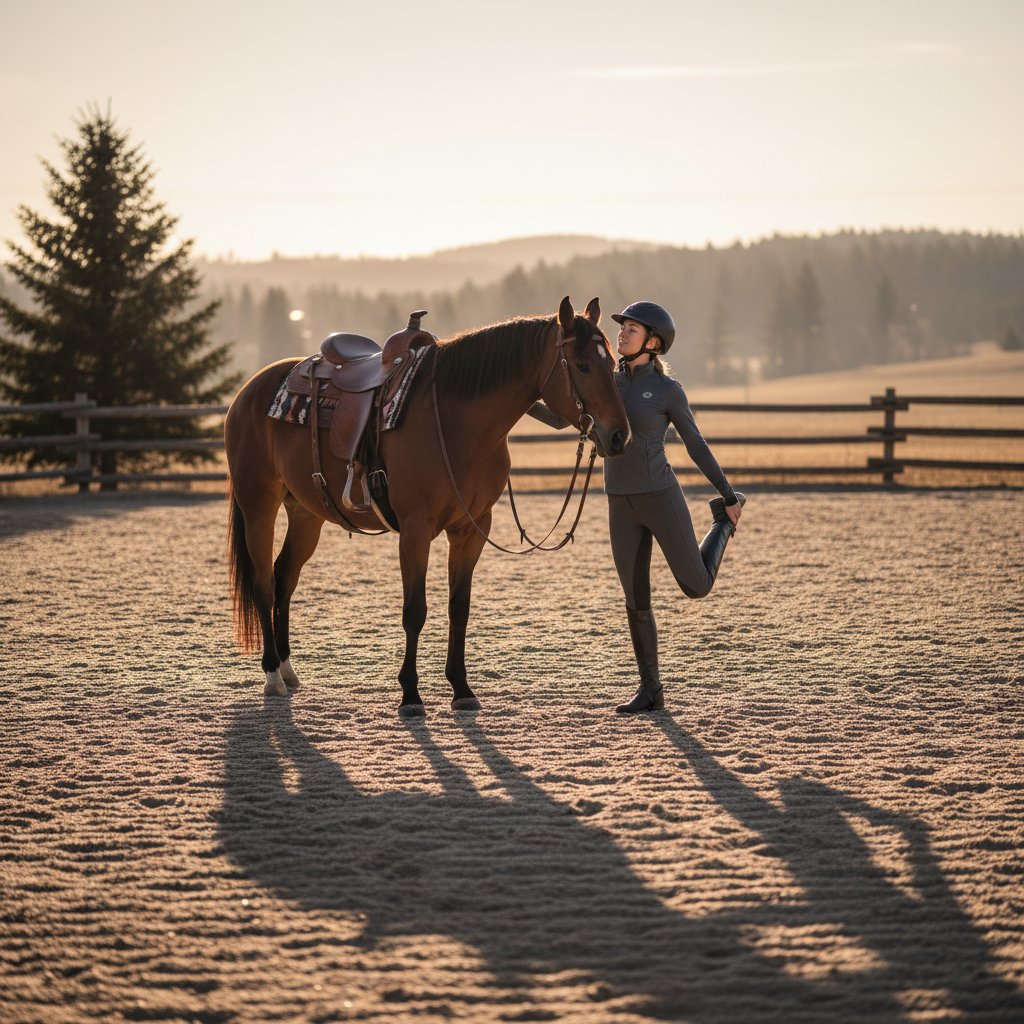
Sarah walked into her first horseback riding lesson with $40 in her pocket and dreams of galloping through meadows. Six months later, she was staring at a credit card statement that made her question every life choice. Sound familiar?
Here's what nobody tells you at that first intro lesson: the advertised price is just the appetizer. The real meal? That's going to cost you significantly more.
Beyond the Basic Lesson Fee
Most riding schools advertise lessons between $35-$75 per hour, depending on your location. Urban areas like New York or Los Angeles? You're looking at the higher end, sometimes pushing $100. Rural communities might offer more reasonable rates around $30-$50.
But that's literally just saddle time.
What they don't mention upfront is the ecosystem of expenses that orbit around those 60 minutes in the arena. Think of it like buying a printer—the device itself isn't the real expense. It's the ink cartridges that bleed you dry.
The Gear Trap Nobody Warns You About
Your instructor will smile warmly and say you can "borrow a helmet for now." That's code for "you'll need your own equipment within three lessons."
Essential Equipment Costs
- ASTM-certified helmet: $50-$300 (and yes, that $15 bike helmet won't cut it)
- Riding boots with heel: $80-$250 for beginners, up to $600 for quality leather
- Breeches or jodhpurs: $60-$150 per pair (you'll want at least two)
- Gloves: $20-$40
- Half-chaps (if not wearing tall boots): $40-$100
We're already at $250-$840 before you've even mastered posting trot. And that's assuming you're not getting sucked into the "treat yourself" section of Dover Saddlery at 2 AM.
The Show Circuit Money Pit
Around month four, your instructor will casually mention a "fun little schooling show" coming up. Run.
Just kidding. Sort of.
Shows are where riding expenses go from "manageable hobby" to "maybe I should get a second job." Entry fees range from $25-$75 per class, and you'll want to enter multiple classes. Add in coaching fees ($50-$150), hauling charges if you're leasing a horse ($75-$200), show attire upgrades (because apparently your everyday breeches aren't "show appropriate"), and you're dropping $300-$600 per show.
According to a 2022 survey by the United States Equestrian Federation, the average amateur competitor spends approximately $3,400 annually on show-related expenses alone.
The Lease Conversation
Six months in, you'll hear those dangerous words: "You're ready to lease."
Partial leases typically run $200-$500 monthly, giving you 2-3 rides per week on "your" horse. Full leases? We're talking $600-$1,500 monthly, plus you're often responsible for a percentage of veterinary bills, farrier costs, and supplements.
"Most students don't realize that leasing a horse often costs more than the lessons themselves," explains Jennifer Martinez, a barn manager with 15 years of experience in Northern California. "They see it as replacing their lesson fee, but it's actually in addition to ongoing instruction, plus all the care costs."
Hidden Maintenance Expenses
Even if you're just taking lessons on school horses, there are sneaky costs that accumulate:
- Barn membership or facility fees: $25-$100 monthly
- Equipment maintenance (boot repairs, helmet replacement every 5 years): $50-$150 annually
- Gas for the 30-minute drive to the barn (because let's face it, it's never close): $40-$80 monthly
- Emergency medical costs (yes, you'll fall eventually): copays and potential ER visits
The Seasonal Squeeze
Summer riding camps, winter training intensives, and holiday workshops all come with premium price tags. These "optional" programs range from $300-$1,200 per week, and there's subtle pressure to participate to "keep progressing."
Real Talk: Annual Cost Breakdown
- Weekly lessons (50 weeks): $2,000-$3,750
- Initial equipment: $250-$840
- Shows (4 per year): $1,200-$2,400
- Miscellaneous (memberships, gas, maintenance): $800-$1,500
- TOTAL FIRST YEAR: $4,250-$8,490
And that's without leasing a horse.
Look, I'm not trying to scare you away from riding. It's genuinely one of the most rewarding activities you can pursue—the connection with these animals, the physical challenge, the community. But walking in with clear eyes about the financial commitment saves you from that credit card shock six months down the road.
Budget honestly. Ask questions upfront. Find a barn that's transparent about costs. And maybe set up that automatic transfer to your "horse fund" savings account now. Your future self—and your bank account—will thank you.