Уроки верховой езды in 2024: what's changed and what works
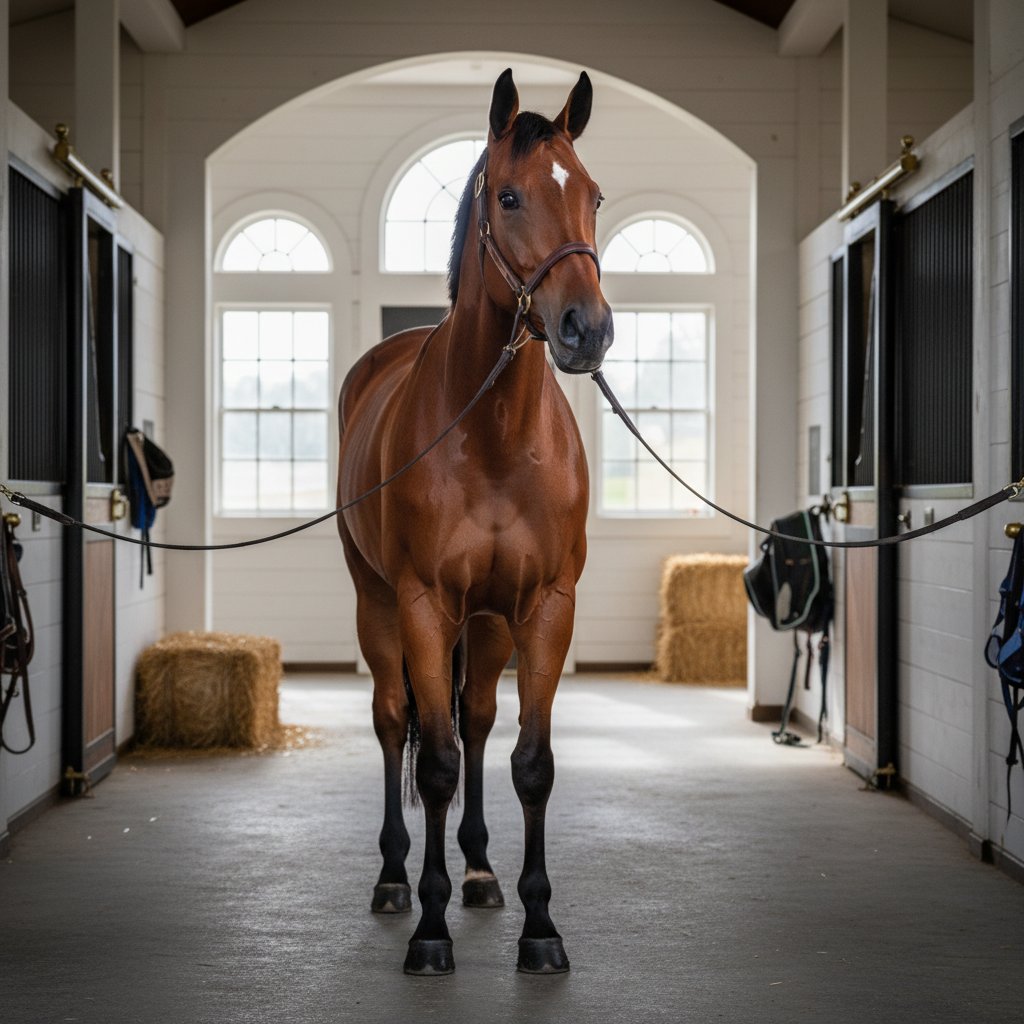
Horse riding lessons have evolved dramatically over the past year. If you learned to ride a decade ago—or even just a few years back—you'd barely recognize what's happening in riding schools today. Technology has crept into the stables, teaching methods have gotten smarter, and the whole experience has become more accessible to people who never thought they'd sit in a saddle.
Here's what's actually working in 2024, and what's changed since you last checked.
What's New in Horse Riding Instruction This Year
1. Video Analysis Has Become Standard (Not Optional)
Remember when only Olympic-level riders got their sessions filmed and analyzed? That's ancient history. Most serious riding schools now use tablet-mounted cameras and apps like Equilab or Pivo that track your position, balance, and timing in real-time. Your instructor can pause mid-lesson, show you exactly where your heels are creeping up, and overlay your posture against proper form.
The difference is night and day. Students are progressing about 30-40% faster according to instructors who've adopted video feedback compared to traditional verbal-only coaching. You can't argue with footage of yourself leaning too far forward during a posting trot—it's right there on screen.
Some facilities even send you home with clips from each lesson. You can review them before your next session, which means you're not starting from scratch every single week trying to remember what you did wrong last time.
2. Simulator Training Is No Longer Just for Beginners
Mechanical horse simulators used to be novelty items gathering dust in corners. Now? They're serious training tools that intermediate and advanced riders actually use. The 2024 models from companies like INOVAHORSE and Racewood can replicate different gaits, simulate jumping approaches, and even recreate the feeling of a horse refusing a jump.
Here's why this matters: you can practice your two-point position for 20 minutes straight without exhausting a real horse. You can work on your core strength and balance without worrying about the animal underneath you. Riders are using simulators for 15-20 minute warmups before actual mounted lessons, and instructors report fewer basic position errors once students get on real horses.
The cost has dropped too. What used to run $15,000 for a basic model now starts around $8,000, making them feasible for mid-sized stables.
3. Flexible Scheduling Through Apps (Finally)
The old system of calling the barn, leaving a message, waiting for a callback, playing phone tag for three days—it's dying fast. Riding schools have embraced booking platforms like Pike13 and Equo, which let you schedule, reschedule, and pay for lessons from your phone.
More importantly, these systems handle the complicated horse-instructor-student matching automatically. The software knows which horses are suitable for your skill level, which instructors specialize in what you're learning, and when everything aligns. No more showing up to find out your regular horse is lame and nobody told you.
The cancellation policies have gotten smarter too. Many places now use a credit system instead of rigid 24-hour rules, giving you more flexibility when life happens.
4. Specialized Short Courses Are Replacing Generic "Intermediate" Levels
The traditional beginner-intermediate-advanced ladder has splintered into something way more useful. Instead of spending months in "intermediate" doing a little bit of everything, you can now take focused 4-6 week courses on specific skills: "Mastering Lead Changes," "Confident Trail Riding," or "Introduction to Cross Rails."
This modular approach works better for adults with limited time. You're not locked into a vague multi-month commitment. You pick what you want to improve, spend 4-6 intensive sessions on it, then decide what's next. Progress feels tangible because you're not diluting your focus across ten different skills.
Pricing has adjusted accordingly. Rather than paying $80-120 per individual lesson, these packages typically run $350-500 for six sessions—a slight discount, but the real value is the structured progression.
5. Safety Gear Has Gotten Serious (And Mandatory)
The days of borrowing a dusty helmet from the tack room are over. ASTM-certified helmets less than five years old are now non-negotiable at virtually every legitimate facility. Many schools have started requiring safety vests for jumping lessons too, not just for cross-country.
The gear itself has improved massively. Modern helmets like the Troxel Liberty or One K Defender don't look like mushrooms on your head anymore, and they actually fit properly. MIPS technology (Multi-directional Impact Protection System) has trickled down to sub-$100 helmets, offering better concussion protection than what professionals wore a decade ago.
Some insurance companies have caught on too, offering lower liability rates to stables that enforce strict safety equipment policies. That's changing the culture fast.
6. Mental Skills Training Is Part of the Curriculum
Riding instructors have finally acknowledged what sports psychologists have known forever: your brain matters as much as your body. Progressive programs now incorporate visualization exercises, breathing techniques for managing pre-ride nerves, and confidence-building strategies that go beyond "just relax."
This isn't touchy-feely nonsense. Horses read tension instantly, and a rider who's mentally scattered creates a scattered horse. Instructors are teaching students to do 60-second centering exercises before mounting, and the difference in ride quality is measurable. Fewer spooks, smoother transitions, better communication.
For riders coming back after falls or long breaks, this mental component has become essential rather than optional.
The Bottom Line
Riding lessons in 2024 look more professional, feel more personalized, and deliver faster results than ever before. The technology isn't replacing good instruction—it's making good instructors even better. The flexibility isn't making programs less rigorous—it's making them more accessible to people with complicated schedules.
If you tried lessons years ago and bounced off the experience, or if you've been thinking about starting, this is genuinely the best time to get in the saddle. The industry has shed a lot of its "this is how we've always done it" attitude and started actually listening to what students need.